SPRINGS NEW HOPE
  • Counseling
    • EMDR For Trauma
    • Highly Sensitive Person Counseling
    • Couples Counseling
    • Grief Counseling
    • Counseling for Chronic Illness
  • Bio
    • Privacy Policy
    • Medical Disclaimer
  • Contact
  • The Hope Blog

Counseling Services In Arvada, CO
​
The Hope Blog

Call Now

Gaslighting in Relationships

10/13/2023

 
Picture
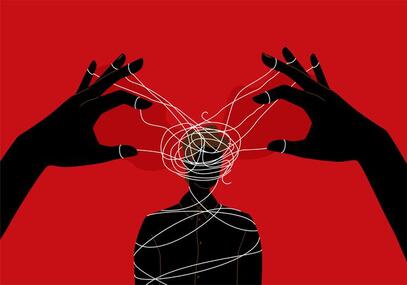
Gaslighting is a form of psychological manipulation in which one person makes another person doubt their perceptions, experiences, memories, or understanding of events that happened. It is a subtle and insidious form of abuse that can have a devastating impact on the victim's mental and emotional health.

Gaslighting can occur in any type of relationship, but it is particularly common in romantic relationships. This is because romantic partners often have a high level of trust and intimacy, which makes them more vulnerable to manipulation.

Gaslighters typically use a variety of tactics to achieve their goals, including:
  • Denying or minimizing events: A gaslighter might deny that something ever happened, even if the victim has clear evidence that it did. They might also minimize the significance of the event, or try to convince the victim that they are overreacting.
  • Shifting the blame: Gaslighters often turn the tables on their victims, making them feel responsible for the gaslighter's own bad behavior. They might also blame the victim for being too sensitive or for misinterpreting their intentions.
  • Isolating the victim: Gaslighters may try to isolate their victims from friends and family, making it more difficult for them to get support and validation. They might also discourage the victim from talking to others about what is happening in the relationship.
  • Making the victim feel crazy: Gaslighters may try to convince their victims that they are losing their mind, or that they are simply too emotional or unstable to understand reality. They might also make the victim feel like they are the ones who are causing the problems in the relationship.
Over time, gaslighting can have a devastating impact on the victim's self-esteem, confidence, and trust in others. They may start to doubt their own sanity and reality, and they may become withdrawn and isolated. Gaslighting can also lead to depression, anxiety, and other mental health problems.

If you are in a relationship with someone who is gaslighting you, it is important to seek help from a qualified psychotherapist. A therapist can help you to understand what is happening to you, and they can provide you with support and guidance as you work to recover from the effects of gaslighting.

Here are some tips for coping with gaslighting in a relationship:
  • Trust your instincts: If you have a gut feeling that something is wrong, it probably is. Don't let your partner convince you otherwise.
  • Talk to someone you trust: It is important to have someone you can talk to about what is happening in your relationship. This could be a friend, family member, therapist, or support group.
  • Keep a record of events: If your partner is gaslighting you, it can be helpful to keep a record of what is happening. This could include writing down dates, times, and details of specific events.
  • Set boundaries: It is important to set boundaries with your partner, and to stick to them. For example, you might decide that you are no longer willing to engage in conversations about certain topics.
  • Consider leaving the relationship: If your partner is gaslighting you, it is important to consider leaving the relationship. Gaslighting is a form of abuse, and it is not likely to change unless your partner is willing to seek professional help.
If you are thinking about leaving a gaslighting relationship, it is important to have a safety plan in place. This should include having a place to go where you will be safe, and having a way to contact people who can support you.
​

It is also important to remember that you are not alone. If gaslighting is a problem in your relationship, therapy can help. Contact Scott at (303) 817-8369 or email at [email protected] for a free phone or video evaluation.

The Relationship Between Sensitivity and Boundary Issues

9/22/2023

 
Picture
The Relationship Between Sensitivity and Boundary Issues
Sensitive people are often more attuned to the emotions of others and their surroundings. This can be a gift, but it can also make it difficult to set and maintain healthy boundaries.
Here are some of the reasons why sensitive people may struggle with boundaries:
  • They may feel guilty or selfish for setting boundaries. Sensitive people often have a strong sense of empathy and compassion. They may worry that setting boundaries will hurt other people's feelings or lead to conflict.
  • They may have trouble identifying their own needs. Sensitive people may be so focused on the needs of others that they neglect their own. This can make it difficult to know when they need to set boundaries.
  • They may have difficulty communicating their needs. Sensitive people may be afraid of being rejected or criticized, so they may avoid communicating their needs directly. This can lead to resentment and frustration on their part.
  • They may have a history of boundary violations. If a sensitive person has experienced boundary violations in the past, they may be more likely to have difficulty setting and maintaining healthy boundaries in the present.

Here are some of the ways that boundary issues can manifest in sensitive people:
  • They may overextend themselves. Sensitive people may agree to do things that they don't have the time or energy for, simply because they don't want to let others down.
  • They may have difficulty saying no. Sensitive people may find it difficult to say no to others, even when they don't want to do something. This can lead to them feeling overwhelmed and resentful.
  • They may be easily manipulated. Sensitive people may be more susceptible to manipulation, especially if they are afraid of hurting other people's feelings.
  • They may have difficulty trusting others. If a sensitive person has been betrayed or hurt in the past, they may have difficulty trusting others to respect their boundaries.

If you are a sensitive person and you struggle with boundaries, there are a few things you can do to improve the situation:
  • Learn to identify your needs. It's important to be aware of your own needs and to be able to communicate them to others.
  • Practice setting boundaries. Start by setting small boundaries, such as saying no to social engagements that you don't want to attend. As you get more comfortable, you can start to set bigger boundaries.
  • Be assertive. It's important to be able to communicate your needs and boundaries assertively. This means being clear and direct, but also being respectful of others.
  • Seek professional help. If you are struggling to set and maintain healthy boundaries on your own, consider seeking professional help from a therapist.

It's important to remember that you have the right to set boundaries. You don't owe anyone an explanation for why you need to set a boundary. And you don't have to apologize for setting a boundary. Setting boundaries is a way of taking care of yourself and protecting your well-being.

Here are some additional tips for sensitive people who struggle with boundaries:
  • Listen to your intuition. Your intuition is your inner voice that tells you what's right for you. If you have a bad feeling about something, trust your gut.
  • Take time for yourself. It's important to have time to recharge and de-stress. Make sure to schedule time for yourself each week, and do things that you enjoy.
  • Surround yourself with supportive people. Surround yourself with people who respect your boundaries and who make you feel good about yourself.
  • Don't be afraid to say no. It's okay to say no to requests, even if they come from people you care about. Remember, you have the right to choose how you spend your time and energy.

Setting boundaries can be difficult for anyone, but it's especially challenging for sensitive people. However, it's important to remember that you have the right to set boundaries, and that doing so is essential for your well-being.

Remember, seeking help is a courageous step towards a more balanced and fulfilling life. You don't have to face these challenges alone.
​

If you're ready to embark on a journey of self-discovery, growth, and healthier relationships, I invite you to schedule a confidential consultation with me. Together, we can work towards a happier, more harmonious life.

Take the first step towards healing today.

Contact Scott Olds at (303) 817-8369 or email at [email protected] for a free and confidential evaluation by phone or video.

How the Relationship Style We Learned from Our Parents Influences Us as Adults in a Relationship

9/3/2023

 
Picture
As children, we learn about relationships by watching our parents interact with each other. We see how they communicate, how they resolve conflict, and how they show love and affection. These observations become our template for how we expect relationships to work.

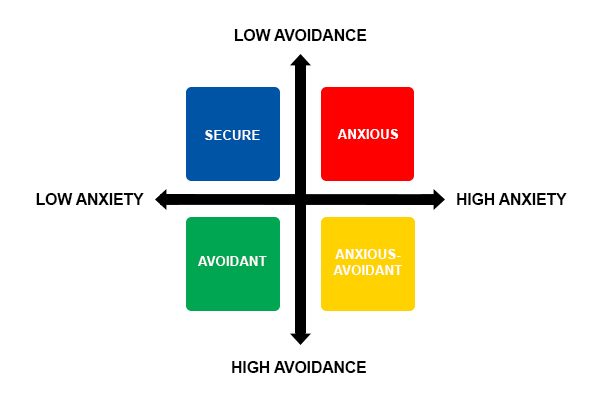
If our parents had a healthy, loving relationship, we are more likely to have secure attachment styles as adults. This means that we feel confident in our ability to form close relationships and that we expect to be loved and supported by our partners.

However, if our parents had an unhealthy or conflictual relationship, we are more likely to have insecure attachment styles. This means that we may have difficulty trusting others, may be afraid of abandonment, or may have a hard time expressing our emotions in relationships.

​
Of course, our relationship style is not determined solely by our parents. Our own experiences and personality also play a role. However, our parents' relationship style can have a significant impact on how we approach our own relationships as adults.

Generational Influence
The generational influence on relationship styles is a complex topic. There are many factors that can contribute to how we learn about relationships from our parents, including their own attachment styles, their cultural background, and the historical context in which they grew up.

For example, people who grew up in families where there was a lot of conflict may be more likely to have insecure attachment styles. This is because they may have learned that relationships are inherently unstable and that conflict is inevitable.

On the other hand, people who grew up in families where there was a lot of love and support may be more likely to have secure attachment styles. This is because they may have learned that relationships are a source of comfort and security.

It is also important to note that the generational influence on relationship styles can be passed down from generation to generation. This is because children learn about relationships from their parents, who learned about relationships from their parents, and so on.

As a result, it is not uncommon for people to find themselves repeating the same relationship patterns that their parents did. This can be a challenge to break, but it is possible with awareness and effort.
​
Here are some specific ways that the relationship style we learned from our parents can influence us in our adult relationships:
  • How we communicate. If our parents communicated in a healthy way, we are more likely to be able to communicate effectively in our own relationships. We will be able to express our needs and feelings in a clear and direct way, and we will be able to listen to our partners' needs and feelings with empathy.
  • How we resolve conflict. If our parents were able to resolve conflict in a healthy way, we are more likely to be able to do the same in our own relationships. We will be able to see conflict as an opportunity to grow and learn, and we will be able to communicate our needs and feelings in a way that is respectful and constructive.
  • How we show love and affection. If our parents showed love and affection in a healthy way, we are more likely to be able to do the same in our own relationships. We will be able to express our love and appreciation for our partners in a way that is both genuine and comfortable.
If you are concerned that the relationship style you learned from your parents is negatively impacting your own relationships, there are things you can do to change. You can talk to a therapist or counselor who can help you to understand your attachment style and develop healthier relationship patterns. You can also learn about healthy communication and conflict resolution skills.

Remember, you are not doomed to repeat the relationship patterns you learned from your parents. With awareness and effort, you can create healthy, fulfilling relationships in your own life.

Here are some additional tips for breaking the cycle of unhealthy relationship patterns:
  • Become aware of your triggers. What are the things that tend to make you feel insecure or anxious in relationships? Once you know your triggers, you can start to develop strategies for coping with them in a healthy way.
  • Challenge your negative beliefs about relationships. If you have negative beliefs about relationships, such as "I'm not good enough" or "I'm always going to be hurt," challenge these beliefs with evidence to the contrary.
  • Practice healthy communication and conflict resolution skills. There are many resources available to help you learn these skills. Talk to a therapist, counselor, or read books or articles on the topic.
  • Be patient with yourself. It takes time and effort to change old patterns. Don't get discouraged if you don't see results immediately. Just keep practicing and you will eventually break the cycle.

If you need help with your relationship, contact Scott Olds at (303) 817-8369 or [email protected].

Navigating the Transition from Hookup Culture to Meaningful Relationships: A Guide for Clients

8/25/2023

 
Picture
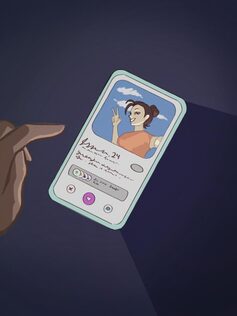
In today's fast-paced world, where hookup culture often takes center stage, transitioning from casual encounters to meaningful, lasting relationships can feel like a daunting task. The journey might require a shift in mindset, a reevaluation of priorities, and a willingness to explore emotional depths. If you're seeking guidance on how to make this transition, you're not alone. Many individuals are seeking more meaningful connections, and with the right approach, you can find the fulfilling relationship you desire. Here's a guide to help you navigate this transition:

1. Self-Reflection and Clarity: Before embarking on the journey to a meaningful relationship, take time to reflect on what you truly want. What are your values, goals, and aspirations? What qualities do you seek in a partner? By gaining clarity about your own desires, you can better recognize a compatible partner when you encounter one.
2. Open Communication: In hookup culture, communication often revolves around the logistics of the encounter. Transitioning to a meaningful relationship requires a shift toward open and honest conversations about emotions, expectations, and long-term goals. Practice expressing your feelings and actively listening to your partner. Effective communication is the foundation of any successful relationship.
3. Slow and Steady: Meaningful relationships are built over time. Instead of rushing into physical intimacy, focus on building emotional intimacy first. Spend quality time together engaging in activities that allow you to connect on a deeper level. This gradual approach helps establish a strong emotional bond.
4. Shared Activities and Interests: Explore activities you both enjoy. Shared hobbies and interests can bring you closer and create opportunities for meaningful interactions. Whether it's hiking, cooking, art, or music, engaging in activities together fosters a sense of togetherness and shared experiences.
5. Vulnerability and Authenticity: To transition from hookup culture to a meaningful relationship, it's crucial to be vulnerable and authentic. Share your thoughts, fears, and vulnerabilities with your partner. This openness encourages reciprocity and helps establish trust.
6. Mindfulness and Presence: In a fast-paced world, practicing mindfulness can enhance your ability to connect deeply with your partner. Put away distractions and be present in the moment. Listen actively, observe body language, and appreciate the nuances of your interactions.
7. Mutual Respect: Respect is the cornerstone of any healthy relationship. Transitioning to a meaningful connection involves treating your partner with kindness, consideration, and empathy. Recognize and appreciate their individuality.
8. Emotional Intelligence: Understanding your own emotions and being attuned to your partner's feelings is a hallmark of a meaningful relationship. Emotional intelligence allows you to navigate challenges and conflicts with empathy and understanding.
9. Addressing Fear of Commitment: Transitioning from hookup culture may bring up a fear of commitment. It's essential to address these fears and explore their origins. A qualified psychotherapist can assist in unpacking these emotions and providing strategies to overcome them.
10. Seeking Professional Guidance: Transitioning from hookup culture to a meaningful relationship is a journey that can benefit from professional guidance. A psychotherapist can provide insights, tools, and strategies to navigate this transition, offering a safe space to explore your emotions and thought patterns.

In conclusion, transitioning from hookup culture to a meaningful relationship requires a deliberate and mindful approach. It's about moving beyond surface-level connections and embracing vulnerability, emotional intimacy, and open communication. Remember that this journey is unique to you, and there's no fixed timeline. Be patient with yourself and your partner as you both navigate this transformation. With the right mindset, effort, and support, you can create a meaningful and fulfilling relationship that goes beyond the confines of hookup culture.

For help transitioning from hookup culture to a meaningful relationship, contact Scott Olds at (303) 817-8369 or email at [email protected]

Being Supportive Grows Your Relationship

8/18/2023


What Is Support?

Being supportive in a relationship means providing your partner with the following:
  • Acceptance: Accepting your partner for who they are, without judgment. This includes accepting their strengths and weaknesses, their past experiences, and their current thoughts and feelings.
  • Understanding: Trying to understand your partner's perspective, even if you don't agree with it. This means listening to them without interrupting, and asking questions to clarify their meaning.
  • Empathy: Feeling compassion for your partner's experiences. This means being able to put yourself in their shoes and understand how they are feeling.
  • Validation: Letting your partner know that their feelings are valid. This means acknowledging their emotions, even if you don't agree with them.
  • Reassurance: Offering your partner support and encouragement. This means letting them know that you believe in them and that you are there for them.​

Examples Of Support

Here are some examples of how you can be supportive in a relationship:
  • Listen to your partner without judgment. When they are sharing something with you, try to really listen to what they are saying, without interrupting or trying to fix their problems.
  • Ask questions to clarify their meaning. This shows that you are interested in what they have to say and that you are trying to understand their perspective.
  • Validate their feelings. Let them know that it is okay to feel the way they are feeling, even if you don't agree with them.
  • Offer your support and encouragement. Let them know that you believe in them and that you are there for them.
  • Be patient and understanding. It takes time to build a supportive relationship. Be patient with your partner and understanding of their needs.

Therapy Helps

A therapist can help you and your partner be more supportive in your relationship in a number of ways. They can:
  • Provide you with tools and techniques for communication and conflict resolution. This can help you learn how to better express your needs and wants, and how to listen to your partner's needs and wants.
  • Help you understand your partner's perspective. This can help you to be more empathetic and understanding of their experiences.
  • Help you to resolve any underlying issues that may be affecting your relationship. This could include issues such as communication, trust, or intimacy.
  • Provide you with a safe space to talk about your relationship. This can be helpful if you are feeling overwhelmed or frustrated.
If you are struggling to be supportive in your relationship, a therapist can be a valuable resource. They can help you to improve your communication skills, understand your partner's perspective, and resolve any underlying issues.

Being a Highly Sensitive Person in an Abusive Relationship

7/14/2023

 
If you are a highly sensitive person (HSP) in an abusive relationship, you may feel overwhelmed, exhausted, and even hopeless. You may be wondering if you are crazy or if you are just too sensitive.
The truth is, you are not crazy. You are simply a highly sensitive person who has gotten into a relationship with an abuser. Abuse can take many forms, including physical, emotional, verbal, and financial abuse.
As an HSP, you are naturally empathic and caring. You are drawn to people who are in need, and you want to help them. This makes you a prime target for an abuser. Abusers are often very good at manipulating and controlling others, and they can easily take advantage of your sensitivity.
If you are in an abusive relationship, you may be experiencing some of the following:
  • You feel like you are walking on eggshells. You never know what will set off the abuser, and you are constantly afraid of doing or saying the wrong thing.
  • You feel like you are never good enough. The abuser is constantly criticizing you, and they make you feel like you are never measuring up.
  • You feel isolated and alone. The abuser may isolate you from your friends and family, and they may make you feel like you are the only person who understands them.
  • You feel exhausted and drained. Dealing with an abuser is emotionally and mentally exhausting. You may feel like you are constantly giving and giving, and you never get anything in return.
If you are experiencing any of these things, it is important to know that you are not alone. There are many other HSPs who have been in similar situations. You are not crazy, and you are not to blame.
If you are ready to get out of your abusive relationship, there are a few things you can do:
  • Seek professional help. A therapist can help you understand your relationship with the abuser, and they can teach you how to set boundaries and protect yourself.
  • Build a support network. Talk to your friends and family about what you are going through. They can offer you support and encouragement.
  • Take care of yourself. Make sure you are getting enough sleep, eating healthy foods, and exercising regularly. Taking care of yourself will help you to cope with the stress of the situation.
Breaking up with an abuser is not easy, but it is possible. With the right support, you can heal from the relationship and move on with your life.
If you are a highly sensitive person in an abusive relationship, please know that you are not alone. There is help available. Please reach out to Scott Olds, Psychotherapist, for support.
Here are some additional resources that you may find helpful:
  • The National Domestic Violence Hotline: 1-800-799-SAFE (7233)
  • The National Center for Victims of Crime: 1-800-FYI-CALL
  • The Rape, Abuse & Incest National Network (RAINN): 1-800-656-HOPE
To find out more, schedule an appointment with Scott Olds at ​(303) 817-8369 or email me at [email protected].

​

5 Things Necessary for a Happy Relationship

7/7/2023

 
As a psychotherapist, I have worked with many couples over the years, and I have seen firsthand what makes for a happy and healthy relationship. While every relationship is different, there are some key ingredients that all happy couples share.
Here are the top 5 things necessary for a happy relationship:
  1. Communication. Communication is the foundation of any healthy relationship. It is important to be able to communicate openly and honestly with your partner, both about the good and the bad. This means being able to share your thoughts, feelings, and needs, and being willing to listen to your partner's as well.
  2. Trust. Trust is another essential ingredient for a happy relationship. It means feeling confident that your partner is honest and faithful, and that they will be there for you when you need them. Trust takes time and effort to build, but it is worth it in the long run.
  3. Respect. Respect is another important part of a happy relationship. It means valuing your partner's opinions and feelings, and treating them with kindness and consideration. Respect also means being able to disagree with your partner without being disrespectful.
  4. Acceptance. Acceptance is the ability to see your partner for who they are, flaws and all. It means loving them unconditionally, even when they make mistakes. Acceptance is not always easy, but it is essential for a lasting relationship.
  5. Shared values. Shared values are important for a happy relationship. This means having similar beliefs about important things in life, such as religion, finances, and family. When you share values, you have a common foundation on which to build your relationship.
Of course, no relationship is perfect. There will be times when you argue, disagree, and hurt each other's feelings. But if you have the key ingredients of communication, trust, respect, acceptance, and shared values, you will be able to weather these storms and come out stronger on the other side.
If you are struggling in your relationship, please know that you are not alone. There are many resources available to help you, including therapy. A therapist can help you to improve your communication skills, resolve conflict, and build a stronger relationship.
If you are interested in learning more about therapy, please visit my website or contact me to schedule a consultation. I would be happy to discuss your individual needs and how I can help you create a happy and healthy relationship.

​Here are some additional tips for maintaining a happy relationship:

  • Make time for each other. Even when you are busy, it is important to make time for your relationship. Schedule regular date nights, or simply find ways to connect with each other on a daily basis.
  • Be supportive of each other. Be there for your partner when they need you, and offer them your love and support.
  • Show appreciation for each other. Let your partner know how much you appreciate them, both verbally and physically.
  • Be forgiving. Everyone makes mistakes. When your partner hurts you, be willing to forgive them and move on.
  • Work together as a team. Relationships are a partnership. Be willing to work together to solve problems and make decisions.
If you follow these tips, you will be well on your way to creating a happy and healthy relationship.

Book Review: The Highly Sensitive Person In Love

6/30/2023

 
If you are a Highly Sensitive Person in a relationship, this book can help you navigate the challenges.
The Highly Sensitive Person in Love is a book by Elaine N. Aron that provides practical help for highly sensitive people (HSPs) seeking happier, healthier romantic relationships. The book is based on Aron's groundbreaking research on temperament and intimacy, and it offers a wealth of practical advice on making the most of all personality combinations.

The book begins by defining what it means to be an HSP. HSPs are people who are born with a finely tuned nervous system that makes them more sensitive to stimuli in their environment. This can be both a blessing and a curse, as it can lead to HSPs being more easily overwhelmed by noise, crowds, and other sensory input. However, it can also lead to HSPs being more deeply in touch with their emotions, more empathic, and more creative.

The book then goes on to discuss the challenges that HSPs face in romantic relationships. HSPs may be more easily overwhelmed by their partner's emotions, more sensitive to criticism, and more likely to feel misunderstood. They may also be more likely to avoid conflict or withdraw from their partner.

The book then offers practical advice on how HSPs can overcome these challenges and build healthier, happier relationships. This advice includes:
  • Learning to identify and manage their own sensitivities
  • Communicating their needs to their partner
  • Choosing a partner who is understanding and supportive
  • Setting boundaries and taking care of themselves
The Highly Sensitive Person in Love is a valuable resource for HSPs who are seeking to improve their romantic relationships. The book provides practical advice that can help HSPs to understand themselves better, communicate their needs more effectively, and find a partner who is right for them.
​

Here are some additional key points from the book:
  • HSPs are more likely to fall in love hard and fast.
  • They are also more likely to be attracted to partners who are also HSPs.
  • HSPs may need more time and space to process their emotions, and they may be more sensitive to criticism.
  • However, HSPs also have many positive qualities to offer in a relationship, such as their deep empathy, their creativity, and their ability to connect with others on a deep level.
The Highly Sensitive Person in Love is a helpful and insightful book for anyone who wants to understand more about HSPs and how they can build healthier, happier relationships.

Are you a highly sensitive person (HSP) who is struggling to cope with the challenges of everyday life?

If so, you are not alone. Millions of people around the world are HSPs, and they often find that their sensitivity can lead to overwhelm, anxiety, and social isolation.

But there is hope.

With the help of a psychotherapist who specializes in working with HSPs, you can learn to understand your sensitivity and use it to your advantage. You can also learn how to manage your emotions, set boundaries, and build healthier relationships.

If you are ready to take the next step, I encourage you to contact me today.

I am a psychotherapist with over 10 years of experience working with HSPs. I understand the challenges that you face, and I am committed to helping you reach your full potential.
Call me today to schedule a free consultation.

I look forward to hearing from you.
​

Here are some additional benefits of working with a psychotherapist who specializes in HSPs:
  • They will understand your unique needs and challenges.
  • They will be able to offer you tailored coping strategies and techniques.
  • They will be able to help you build a strong support network.
  • They will be able to help you achieve your personal and professional goals.
If you are an HSP who is struggling, please know that you are not alone. Help is available, and you can learn to thrive in your sensitivity. Contact Scott Olds today to start your journey to healing and wholeness.

Codependency and Couples Counseling: Breaking Unhealthy Relationship Patterns

6/16/2023


Introduction

Codependency is a complex issue that can severely impact the dynamics of a romantic relationship. It is characterized by an excessive emotional or psychological reliance on a partner, often leading to an unhealthy and unbalanced relationship dynamic. Recognizing the signs of codependency and seeking couples counseling can be instrumental in breaking free from these patterns and fostering healthier, more fulfilling partnerships. In this article, we will explore codependency, its effects on relationships, and how couples counseling can help couples navigate these challenges.

Understanding Codependency

Codependency is a behavioral and emotional condition that commonly arises from dysfunctional family dynamics, childhood trauma, or unhealthy attachment styles. Individuals who are codependent often have an intense fear of abandonment, low self-esteem, and a strong desire for external validation. This can manifest in several ways, such as excessively focusing on the needs of others, neglecting personal boundaries, and having difficulty expressing one's own needs and desires.

​Effects of Codependency on Relationships

Codependency can have a detrimental impact on the health and happiness of a relationship. Some common effects include:
  1. Imbalanced power dynamics: Codependent individuals often prioritize their partner's needs above their own, leading to an unequal distribution of power within the relationship. This can result in one partner feeling overwhelmed and the other feeling overwhelmed with responsibility.
  2. Lack of personal growth: When one partner relies heavily on the other for validation and self-worth, it can hinder personal growth and development. The codependent individual may become enmeshed in their partner's life, losing touch with their own interests and aspirations.
  3. Emotional exhaustion: Codependent relationships can be emotionally draining for both partners. The codependent individual may constantly seek validation and reassurance, while their partner may feel suffocated by the excessive demands for attention and support.
  4. Unhealthy coping mechanisms: Codependency often leads to the development of unhealthy coping mechanisms such as people-pleasing, enabling destructive behaviors, or self-sacrifice. These patterns can perpetuate a cycle of dysfunction within the relationship.​

Couples Counseling as a Solution

Couples counseling provides a safe and supportive environment for couples to address the underlying issues contributing to codependency and work towards healthier relationship patterns. Here's how couples counseling can be beneficial:
  1. Identifying codependent patterns: A skilled couples therapist can help couples identify and understand the codependent behaviors and dynamics at play within the relationship. Recognizing these patterns is the first step towards positive change.
  2. Building self-awareness: Couples counseling encourages individuals to explore their own emotional needs, boundaries, and insecurities. Developing self-awareness allows partners to take responsibility for their own well-being and establish healthier relationship dynamics.
  3. Enhancing communication skills: Effective communication is crucial in any relationship. Couples counseling provides a platform to improve communication skills, allowing partners to express their needs, concerns, and desires in a clear and assertive manner.
  4. Setting boundaries: Codependent relationships often lack clear boundaries. Couples counseling helps partners establish and enforce healthy boundaries, fostering a sense of individuality and self-respect within the relationship.
  5. Developing self-esteem: Couples counseling focuses on nurturing self-esteem and self-worth for both partners. By addressing underlying issues contributing to codependency, couples can build a stronger foundation of self-confidence and personal fulfillment.
  6. Learning healthy interdependence: Couples counseling promotes the concept of interdependence, where partners support each other's growth and well-being while maintaining their own autonomy. It emphasizes the importance of a balanced and mutually beneficial relationship.

​Conclusion

Codependency can be a challenging issue to overcome, but couples counseling offers a pathway to healing and growth. By addressing the underlying causes and learning healthier relationship patterns, couples can break free from the grip of codependency and cultivate a stronger, more fulfilling partnership. Seeking professional help is a courageous step towards building a healthier future together. Remember, change is possible, and with the right support, couples can break free from codependency and create a relationship built on trust, respect, and mutual growth.

Nurturing the Highly Sensitive Soul: Psychotherapy for Highly Sensitive People

6/9/2023


Introduction

In a world that often values toughness and resilience, highly sensitive people (HSPs) often find themselves struggling to navigate their unique emotional landscape. Highly sensitive individuals possess a heightened sensitivity to external stimuli, deep empathy, and intense emotional responses. While this trait can bring forth profound insights and creativity, it can also make daily life overwhelming and exhausting. Psychotherapy provides a safe and supportive environment for highly sensitive individuals to explore and embrace their sensitivity, develop coping strategies, and thrive in a world that can sometimes feel too intense.

Understanding Highly Sensitive People

High sensitivity is not a disorder or a weakness; rather, it is a personality trait found in approximately 15-20% of the population. Dr. Elaine Aron, a pioneer in the field of sensitivity research, coined the term "highly sensitive person" to describe individuals who possess a finely tuned nervous system, resulting in heightened sensitivity to sensory input and emotional experiences.
Highly sensitive people often exhibit traits such as deep empathy, a heightened awareness of subtleties, a rich inner world, and an inclination towards reflection and introspection. They may also be more prone to experiencing overwhelm, anxiety, and emotional exhaustion when faced with high-stimulus environments or emotionally challenging situations. Psychotherapy tailored to the needs of highly sensitive individuals can provide them with the tools to embrace their sensitivity as a strength and navigate their emotional landscape more effectively.

Key Approaches in Treating Highly Sensitive Individuals

  1. Validation and Empathy: A crucial aspect of therapy for highly sensitive people involves providing a validating and empathic space. Many HSPs have grown up feeling misunderstood or dismissed, which can contribute to feelings of isolation and self-doubt. Psychotherapists with knowledge of high sensitivity can create a safe and non-judgmental environment where clients feel seen and heard, fostering a sense of validation and acceptance.
  2. Emotion Regulation Skills: Highly sensitive individuals often find it challenging to manage intense emotions effectively. Therapists can work with HSPs to develop emotion regulation strategies tailored to their unique needs. This may include grounding techniques, mindfulness exercises, breathwork, and exploring healthy outlets for emotional expression, such as journaling or creative arts.
  3. Boundaries and Self-Care: Establishing and maintaining healthy boundaries is crucial for highly sensitive individuals. Therapy can provide a space for exploring boundary-setting techniques and developing self-care practices. Learning to recognize and prioritize their own needs can help HSPs navigate relationships, work environments, and social interactions more effectively, reducing overwhelm and emotional exhaustion.
  4. Cognitive Restructuring: Highly sensitive people may be prone to negative self-talk, perfectionism, and self-criticism. Cognitive restructuring techniques, such as challenging irrational beliefs and cultivating self-compassion, can help HSPs develop a healthier and more balanced self-perception. By reframing their thoughts, highly sensitive individuals can build resilience and enhance their ability to cope with life's challenges.
  5. Sensory Regulation: Highly sensitive individuals may be more attuned to sensory stimuli, such as bright lights, loud noises, or strong scents. Therapists can assist HSPs in developing sensory regulation techniques to manage sensory overload and create environments that support their well-being. This may involve exploring relaxation exercises, developing personalized coping strategies, and making adjustments in their living or working environments.

Conclusion

Psychotherapy holds tremendous potential for highly sensitive individuals seeking support, understanding, and growth. By partnering with a skilled therapist who understands the nuances of high sensitivity, individuals can explore their emotions, develop effective coping mechanisms, and embrace their sensitivity as a gift rather than a burden. Through validation, skill-building, and self-discovery, highly sensitive people can learn to navigate the world with confidence and thrive in their personal and professional lives.
To find out more, schedule an appointment with Scott Olds at ​(303) 817-8369 or email me at [email protected].
<<Previous
    Schedule Appointment
    Picture

    Author

    Scott F. Olds, Psychotherapist
    I provide counseling for trauma, anxiety, and PTSD using EMDR. I particularly enjoy working with Highly Sensitive People (HSPs). I work with individuals and couples.

    Categories

    All
    Abusive Relationship
    Anxiety
    Authenticity
    Boundaries
    Burnout
    Caregiving
    Chronic Illness
    Communication
    Control
    Coping Strategies
    Couples
    Depression
    EMDR
    Emotional Awareness
    Emotional Intelligence
    Fear Of Commitment
    Gaslighting
    Grief And Loss
    Guilt
    Highly Sensitive Person
    Hookup Culture
    HSP
    Insomnia
    Manipulation
    Narcissist
    Relationships
    Respect
    Stress
    Support
    Trauma

    Archives

    February 2024
    January 2024
    November 2023
    October 2023
    September 2023
    August 2023
    July 2023
    June 2023
    June 2022
    May 2022
    April 2019
    June 2018
    November 2017

    ​Call Scott at
    ​(303) 817-8369 or email at [email protected] ​for a free phone or video evaluation.
    ​
    Convenient online scheduling, 24 x 7.

Convenient online scheduling, 24 x 7.
Schedule Appointment
Initial Consultation: Your 30-minute initial consultation is the perfect opportunity to determine if we're a good fit. We'll discuss your goals, and I'll answer any questions you have. The $15 fee is a small step toward your journey of healing and will be applied to your first session.​​ Call Scott At (303) 817-8369 Or Email At [email protected]
Call Now
​Package Discount: Get a 4-session package for 10% off! Call for details.
​
Insurance: Out-of-Network Provider, FSA, HSA, and HRA cards are accepted.
​

I offer sessions in the office, in an open space (weather permitting), by phone, and by video sessions for your safety and convenience. Take a deep breath and give me a call at (303) 817-8369 or email me at [email protected].

Confidential: I am HIPAA compliant, so your privacy is protected.

​Crisis Information: If you are in crisis, call Colorado Crisis and Support at 844-493-8255 or the national Suicide and Crisis Lifeline at 988 for 24/7 for help in an emergency. These lifelines provide free and confidential support for people in distress, prevention, and crisis resources for you or your loved ones.​
verified by Psychology Today
Picture
Picture
​Scott F. Olds, Psychotherapist
(303) 817-8369
​[email protected]
10960 W. 65th Way
Arvada, Colorado 80004
My office is in Arvada, Colorado.
Privacy Policy
Website by Leland Hoover Consulting, LLC
  • Counseling
    • EMDR For Trauma
    • Highly Sensitive Person Counseling
    • Couples Counseling
    • Grief Counseling
    • Counseling for Chronic Illness
  • Bio
    • Privacy Policy
    • Medical Disclaimer
  • Contact
  • The Hope Blog